
The History of Crash Games: From Aviator to Flight Legends
The evolution of crash games has been a fascinating journey that reflects the rapid advancements in technology and gaming culture. Originating from simple concepts, these games have transformed into highly engaging experiences that captivate players worldwide. This report examines the history of crash games, focusing on notable titles such as Aviator and Flight Legends, and their impact on the gaming landscape.
Crash games first emerged in the early 2010s, primarily as a niche genre within online casinos. The gameplay mechanics were straightforward: players placed bets on a multiplier that increased over time, with the goal of cashing out before the multiplier “crashed.” This simple yet exhilarating premise quickly garnered attention, appealing to both casual gamers and seasoned gamblers. The thrill of risk combined with the potential for substantial rewards made crash games a unique addition to the online gaming market.
Aviator, released by Spribe in 2019, marked a significant milestone in the crash game genre. It introduced a unique aviation theme, where players watched a plane take off and the multiplier increase as long as the plane remained airborne. The game’s aesthetic, combined with its social features, such as live chat and the ability to see other players’ bets and cash outs, created a communal atmosphere that enhanced the overall experience. Aviator’s success can be attributed to its engaging gameplay, which allowed for short rounds and quick wins, making it highly addictive and appealing to a broad audience.
Following the success of Aviator, numerous developers sought to capitalize on the crash game phenomenon. Titles like JetX and Space XY emerged, each adding unique twists to the core mechanics. JetX, for instance, incorporated a retro arcade style, allowing players to control a jet that could crash at unpredictable moments. This added an element of skill and strategy, as players had to decide when to cash out based on their risk appetite. Similarly, Space XY introduced a sci-fi theme, where players navigated through space while managing their bets against a cosmic backdrop, further diversifying the genre.
As the crash game genre matured, developers began to explore more innovative concepts. Flight Legends, released in 2021, took the genre to new heights by integrating advanced graphics and immersive storytelling elements. Players were not only betting on multipliers but also engaging in a narrative-driven experience that involved building their own aircraft and completing missions. This blend of crash mechanics with RPG elements opened up new avenues for player engagement and retention, setting a precedent for future developments in the genre.
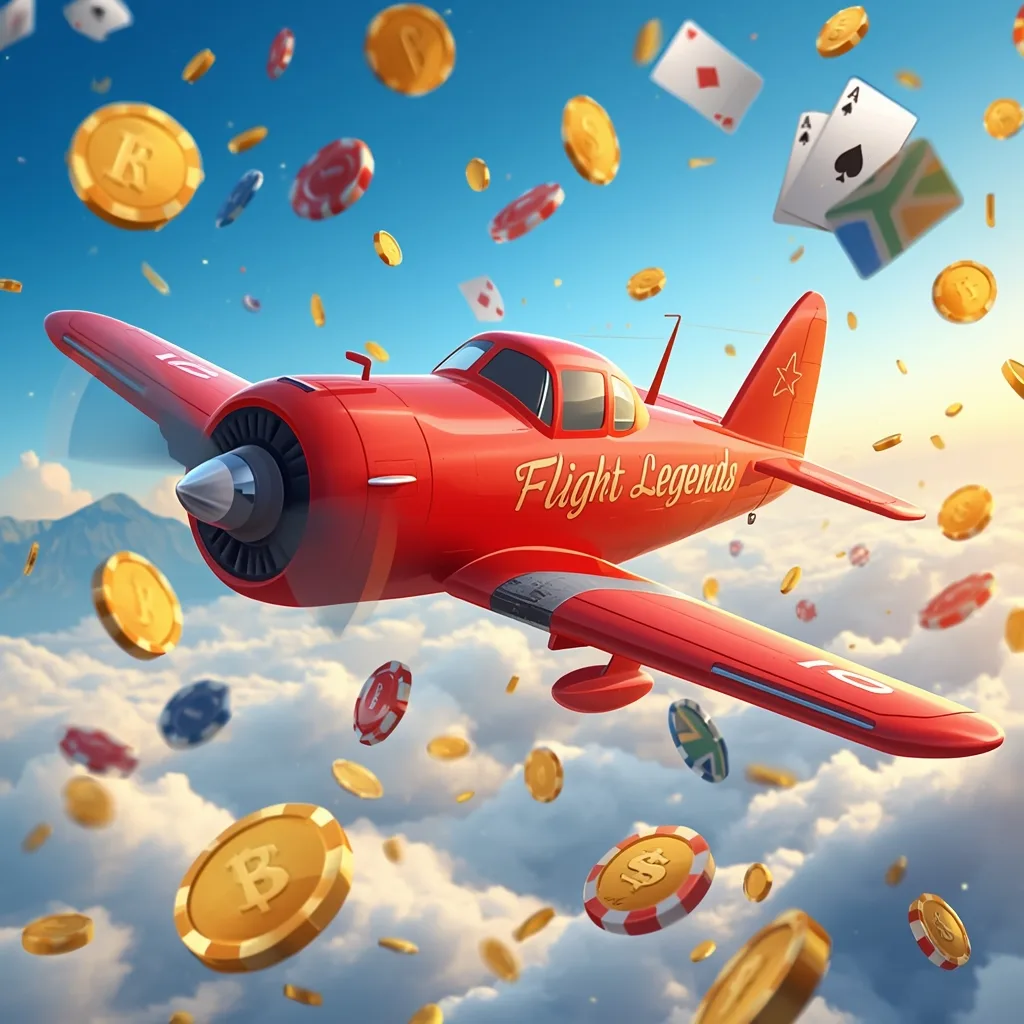
The rise of crash games has also been influenced by the broader trends in the gaming industry, such as the growth of mobile gaming and the increasing popularity of live dealer games. As more players turned to mobile devices for their gaming needs, crash games adapted to provide seamless experiences across platforms. Furthermore, the integration of social features and community engagement has become a hallmark of successful crash games, fostering a sense of belonging among players.
In conclusion, the history of crash games from Aviator to Flight Legends illustrates the genre’s evolution and its impact on the gaming community. With their simple mechanics, engaging themes, and social features, crash games have carved out a significant niche in the online gaming market. As technology continues to advance, it is likely that the genre will keep evolving, offering new and exciting experiences for players around the world.

