
The intriguing journey of gambling A historical evolution with Pin-Up
Origins of Gambling
The history of gambling traces back thousands of years, with its origins rooted in ancient civilizations. Archaeological evidence suggests that games of chance were played in Mesopotamia around 3000 BC, where dice were crafted from animal bones. These early forms of gambling were intertwined with rituals and social activities, showcasing the human desire for risk and reward even in primitive societies. As civilizations evolved, so did the complexity of gambling practices, leading to more structured forms such as betting on chariot races in ancient Rome. Today, platforms like PinUp highlight this evolution by offering a variety of online gaming experiences.

Throughout the ages, gambling has reflected cultural values and societal norms. The Chinese developed early gambling games around the 1st century BC, which included rudimentary forms of lottery and card games. These activities were not merely for entertainment; they were also used to engage with the spiritual world. This connection between gambling and spirituality persisted through history, as seen in various cultures that employed gambling as a means to divine the future or seek fortune.
The transition from informal games to organized gambling marked a significant shift in the history of gambling. By the Middle Ages, gambling had evolved into more structured games, such as card games and lotteries, which were played both in taverns and royal courts. This period also saw the establishment of gambling houses, laying the groundwork for modern casinos. Thus, the journey of gambling reflects a long-standing human fascination with chance and luck, highlighting its persistent role in social interaction.
The Rise of Modern Gambling
The 17th and 18th centuries heralded a new era for gambling, particularly with the establishment of the first official casinos in Europe. The Casino di Venezia in Italy, opened in 1638, is often recognized as the world’s first legal casino. These establishments were luxurious venues that catered to the elite, marking a significant departure from the earlier, more informal settings of gambling. This shift not only legitimized gambling but also transformed it into a popular pastime among the upper classes.
During the 19th century, the industrial revolution further propelled the popularity of gambling. With the rise of the working class and increased leisure time, betting on horse races became a widespread form of entertainment. The introduction of state-sponsored lotteries in various countries also contributed to the acceptance and regulation of gambling activities. This period marked the transition from gambling being seen as a vice to an acceptable form of recreation, paving the way for the future of casinos and gaming.
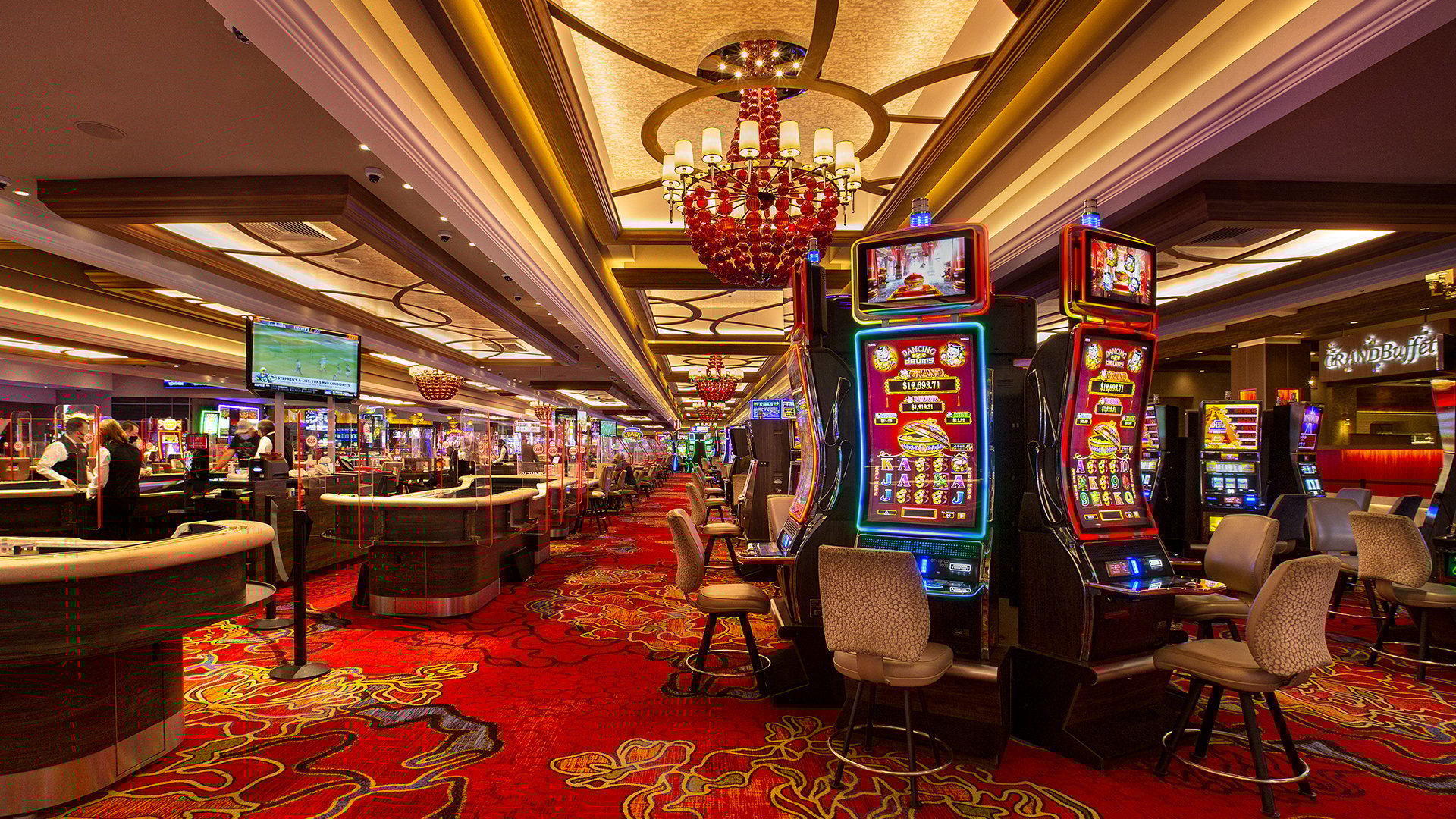
As the 20th century approached, gambling continued to flourish, with the establishment of Las Vegas as the epicenter of gambling in America. The legalization of gambling in Nevada in 1931 transformed the city into a dazzling hub of entertainment and gaming. This development not only attracted tourists but also set the stage for the evolution of casinos into entertainment complexes that offered a wide range of attractions beyond gaming, such as dining, shows, and nightlife.
The Online Gambling Revolution
The advent of the internet in the late 20th century initiated a seismic shift in the gambling industry. Online gambling platforms began to emerge in the mid-1990s, allowing players to access their favorite games from the comfort of their homes. This innovation expanded the gambling audience and provided unprecedented convenience, making it easier for individuals to participate in various forms of betting without geographical limitations.
With the growth of technology, online casinos have adapted by offering a diverse range of games, including slots, poker, and live dealer games. Players can now enjoy immersive gaming experiences through advanced graphics and real-time interactions with dealers. The integration of mobile technology has further facilitated access, enabling players to gamble on-the-go via smartphones and tablets. This evolution has made online gambling an integral part of the global gaming landscape.
However, the rise of online gambling has also led to challenges, particularly concerning regulation and responsible gaming. Different countries have adopted varying approaches to managing online casinos, leading to a patchwork of regulations. As online gambling becomes increasingly popular, concerns regarding addiction and fraud have prompted calls for stricter oversight to protect players. Thus, while online gambling has revolutionized the industry, it has also sparked important discussions about safety and ethics in the digital age.
Myths and Misconceptions About Gambling
Despite its long history and widespread popularity, gambling remains shrouded in various myths and misconceptions. One common belief is that gambling is purely based on luck, dismissing the role of strategy and skill in many games, particularly poker and sports betting. While chance plays a significant role, knowledgeable players who understand the odds and employ effective strategies can increase their chances of winning. This misconception often leads to unrealistic expectations and, at times, irresponsible gambling behaviors.
Another prevalent myth is that casinos are designed to ensure players lose money. While it is true that the house always has an edge in games, reputable casinos aim to create enjoyable experiences that encourage players to return. Understanding this dynamic can help players approach gambling as a form of entertainment rather than solely a way to make money. This perspective promotes responsible gaming and emphasizes the importance of setting limits.
Additionally, many people believe that gambling can lead to instant wealth, overshadowing the fact that most players experience losses over time. This misconception can contribute to gambling addiction, as individuals may chase losses with the hope of a big win. By recognizing these myths and understanding the realities of gambling, individuals can engage in this activity more responsibly and enjoyably.
Experience Gambling with Pin-Up
Pin-Up Casino stands out as a premier destination for online gambling enthusiasts, offering a diverse array of gaming options tailored to meet the needs of players. With a selection that includes slots, live casino experiences, and innovative games like Pin-Up Aviator, players can immerse themselves in a thrilling gaming environment. The platform’s user-friendly design ensures that players can navigate effortlessly through various games and features, enhancing the overall experience.
Moreover, Pin-Up Casino is committed to providing a seamless and secure gaming environment. By supporting local payment methods such as bKash and Nagad, it caters specifically to the Bangladeshi market, ensuring that transactions are easy and secure. The platform also offers enticing bonuses and promotions, providing players with additional incentives to explore its vast game offerings. This focus on player experience underscores Pin-Up’s reputation as a leading online casino.
As online gambling continues to evolve, Pin-Up remains at the forefront of innovation, adapting to new trends and technologies to enhance player engagement. Whether you’re a seasoned player or new to the world of online gaming, Pin-Up Casino offers a captivating journey filled with excitement and entertainment. Join today to experience the thrill of gambling like never before!

